Monday notebook: Quick hits on all 5 teams, CMU trying a WR at QB, freshmen of note
The five Mitten programs are grinding through the middle portion of spring practice, with plenty of news, notes and tidbits to keep up on, from WMU's OL depth to a Michigan transfer getting healthy.
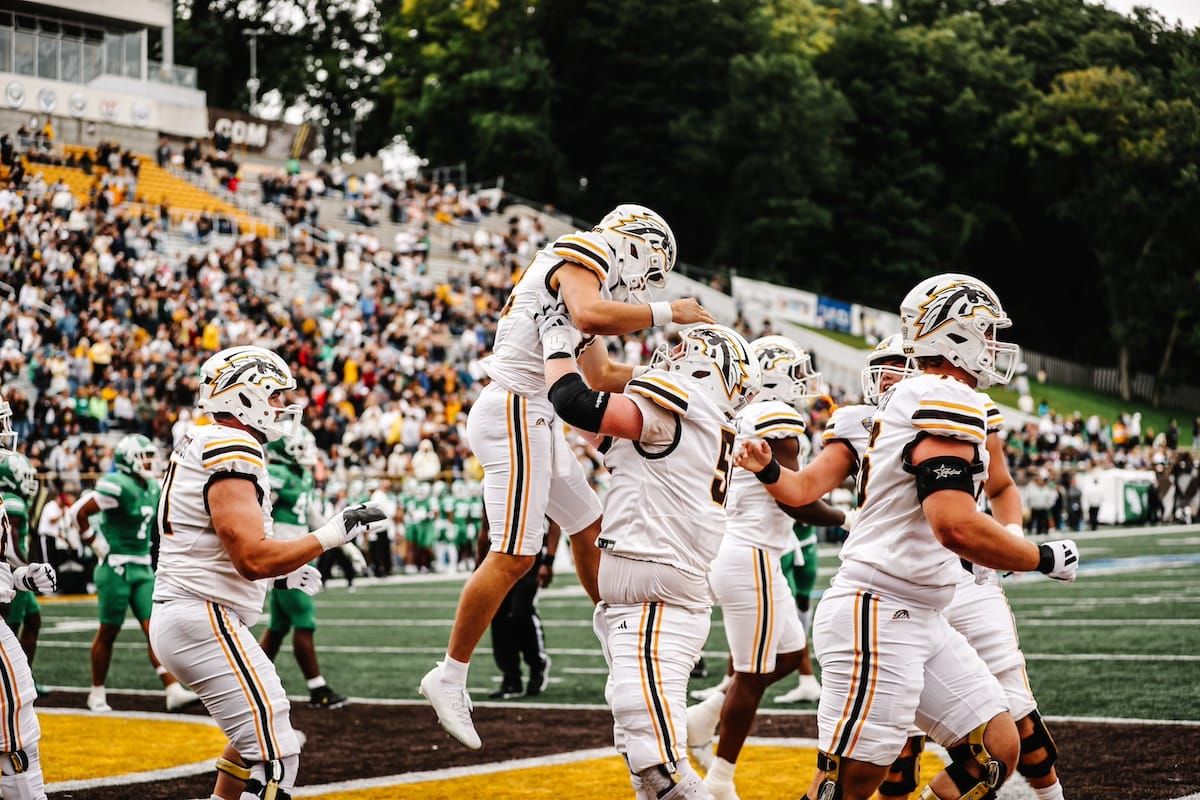
Trying something a little different for the remainder of the offseason at Mitten Football with a weekly column/rundown/notebook on happenings around the five FBS programs.
These will generally be a Sunday deal, to look back on the prior week and get out ahead of the next but this first one will be on a Monday because of Easter. It will be a bit more conversational, ideally, and also be a free weekly thing.
So, without further ado, let’s dig in.
A quick thing for each team
Michigan — John Henry Daley's timeline: The star pass rush transfer is coming back from a torn Achilles and anticipates being full go sometime in the summer, with June 1 as the goal date for the new Wolverine to be full go.
“I'm starting to jog and run right now and yeah, I'm feeling fantastic and everybody's very optimistic about it,” Daley said recently.
Michigan State — OL outlook: It’s a bit squishy to predict this time of year, but it’s looking like things could be transfer heavy up front for MSU, with Ben Murawski, Robert Wright Jr. and Trent Fraley all repping with the top unit. Fraley being the starting center feels like the best bet at this point.
Central Michigan — Marcus Beamon’s physical evolution: The junior college transfer is looking leaner and meaner this season, thanks to better attention to his diet and nutrition. Beamon said he feels better, too, and a big shift was just altering his eating habits to cut body fat and carry more muscle mass. All needed after appearing a bit underwhelming, physically, last fall.
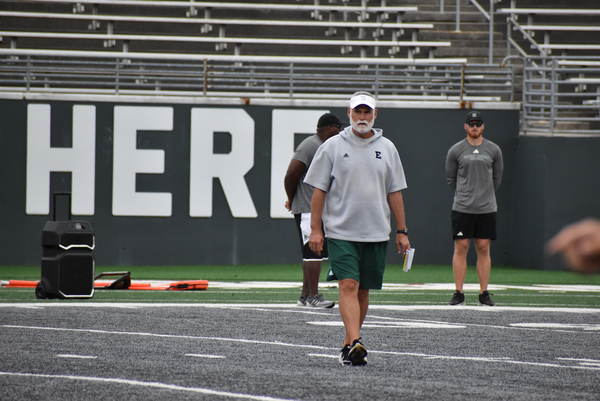
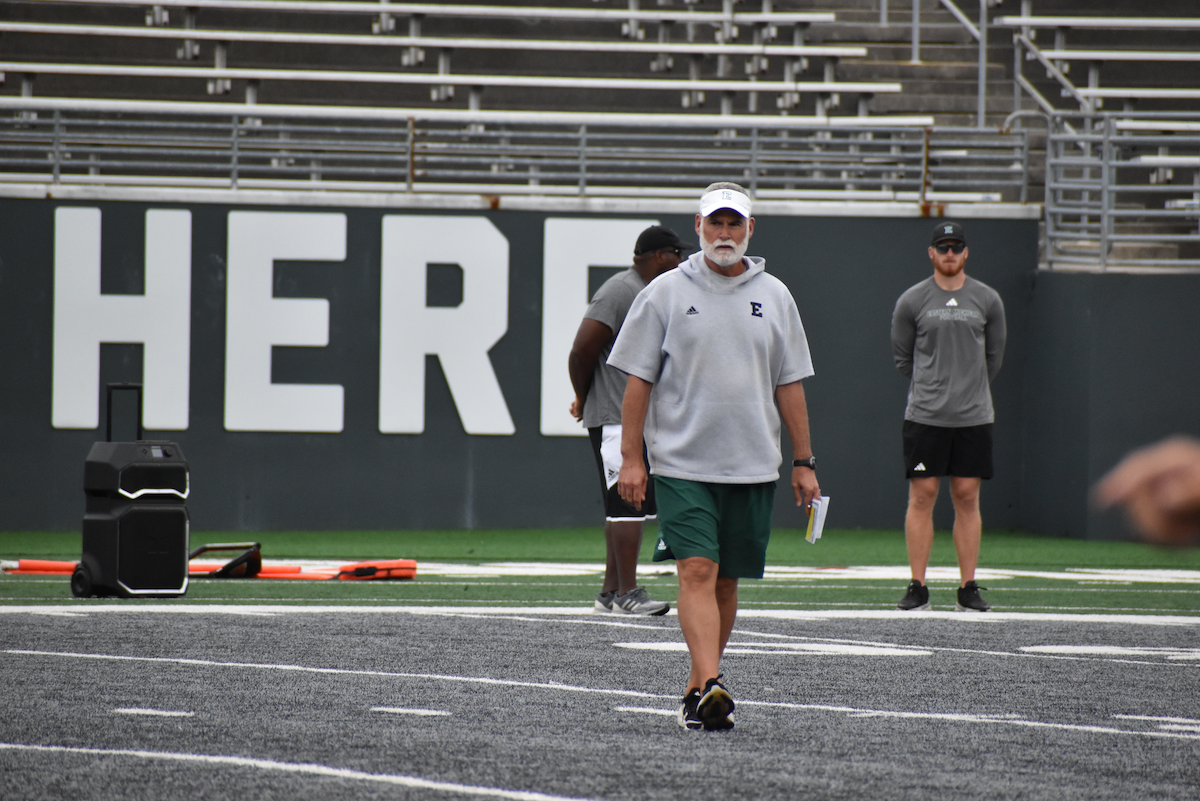
Eastern Michigan — Corners shining: Head coach Chris Creighton is feeling good about the group, and for good reason. The Eagles return a lot of production from the 2025 team, and it’s probably the most experienced defensive unit, overall.
“I’m super excited about their potential,” Creighton said.
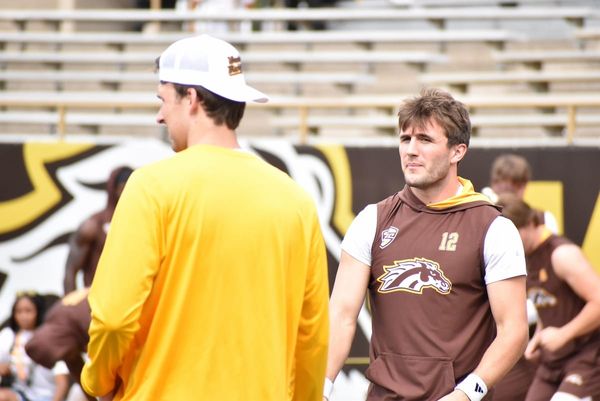
Western Michigan — OL depth, health: Western Michigan is without Jeremy Schleicher and Chad Schuster this spring, as both are recovering from surgeries. Schleicher opened 2025 as a starter before getting hurt, and Schuster went under the knife after the season. It means WMU is shuffling the deck this spring and getting the quarterbacks and offense looks with various groupings. It’s something that paid off last year, when Raheem Anderson slotted in at center following Schleicher’s injury, and things continued seamlessly.
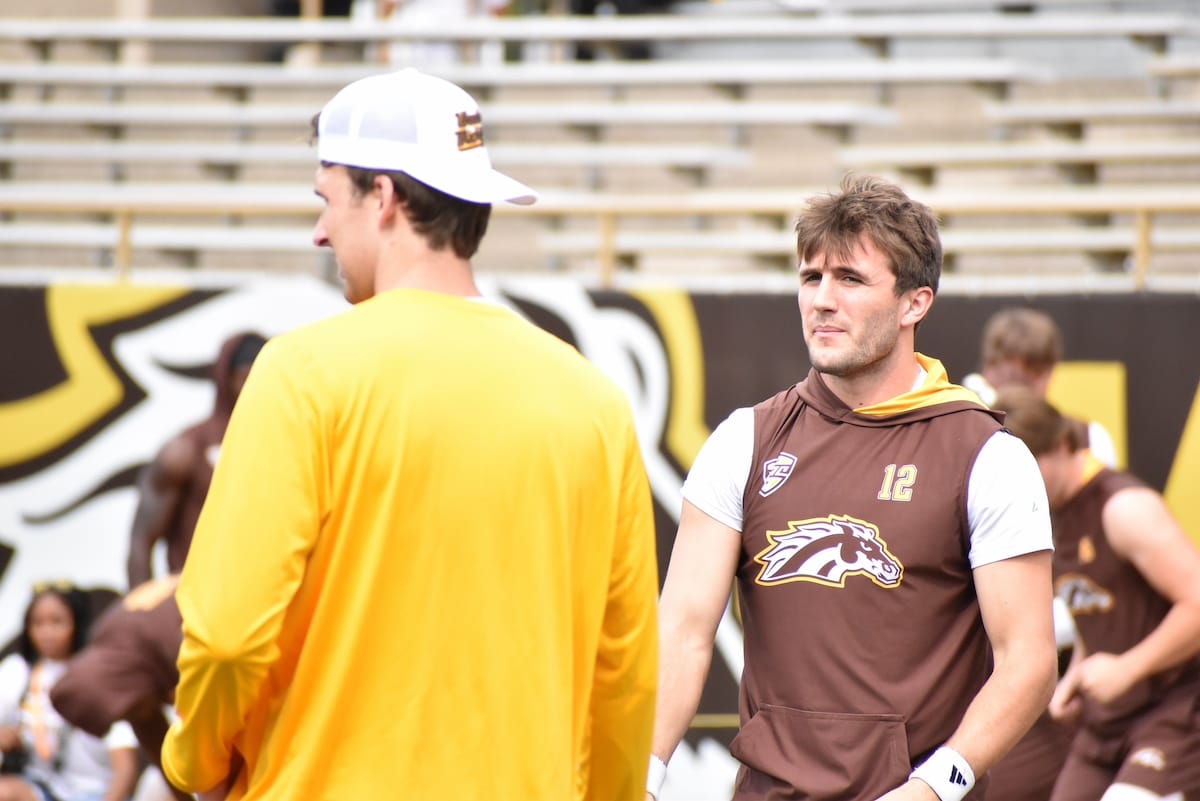
“There's gonna be a guy out at least a week or two each year,” quarterback Broc Lowry said. “I mean, just how it is with the position and, you know, like last year, as you saw, we didn't have a drop off.”
Catch up on Mitten Football's coverage from last week
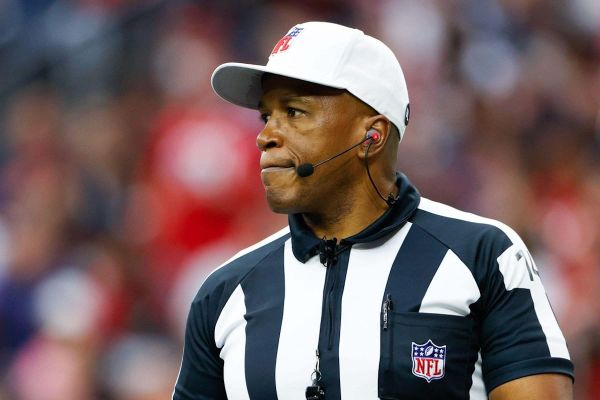
Hit on the EMU offensive line room, WMU's aims to advance the passing game, and went a bit offbeat with a Q&A with NFL official and Detroit native Shawn Smith, who led the Super Bowl crew a few months ago.
 Andrew Graham
 Andrew Graham
 Andrew Graham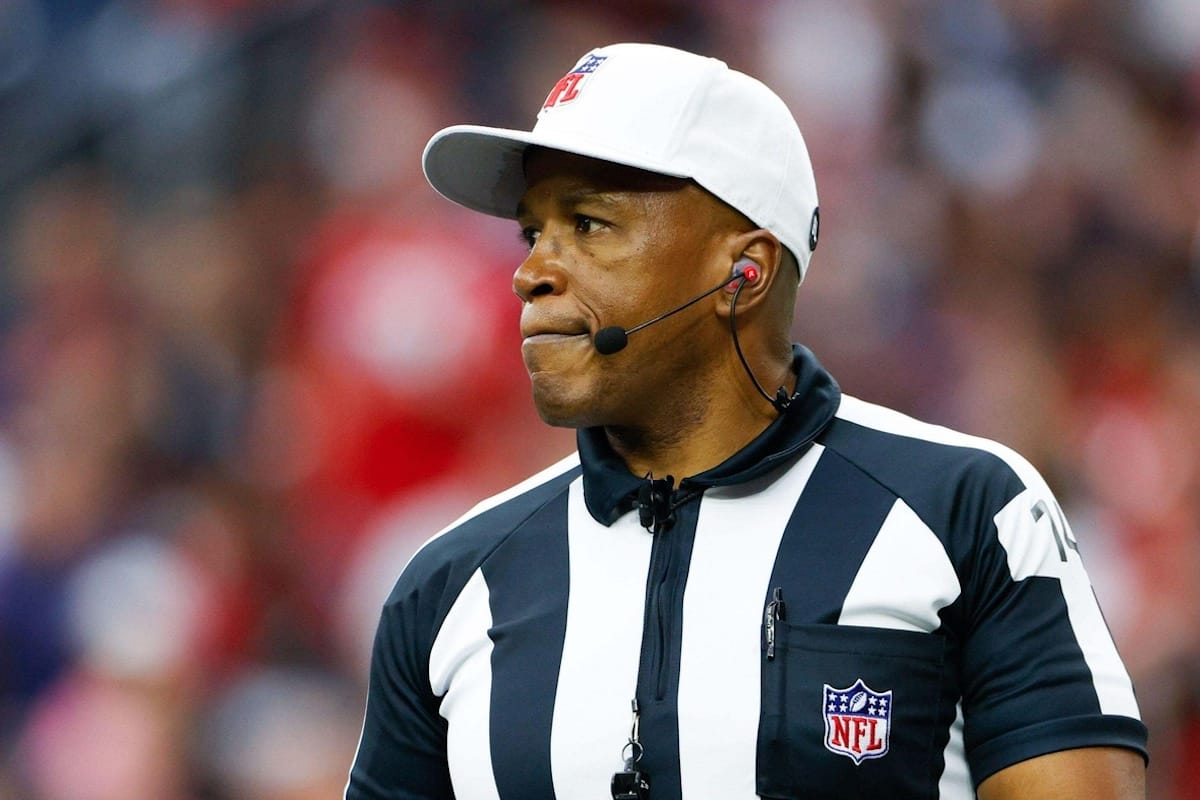
Signed as WR, Geno Seets working at QB for Central Michigan
Signed as a wide receiver prospect out of Waterford Mott High School, Geno Seets is a player the Central Michigan coaching staff was excited about. Then he tweaked his back with a soft tissue injury early in spring, and he’d be curtailed from working as a receiver.
But the coaches were curious about his versatility, and knew he could take reps at quarterback and get a lot out of it, bad back and all. So at a recent practice, Seets was in a gold non-contact jersey as he worked alongside Jadyn Glasser, Marcus Beamon, Angel Flores and Daniel Gomez.
“He is now getting to go through all of spring as a quarterback for us to evaluate, and he's doing an unbelievable job,” Drinkall said. “So then worst case scenario is he comes out with a much better understanding of how to play wide receiver.”
Freshmen offensive weapons to take note of
Three freshmen are already getting some attention for what they could bring to their respective offenses: Central Michigan’s Trav Moore, Michigan’s Salesi Moa and Michigan State’s Samson Gash.
Moore is getting rave reviews from the CMU coaching staff so far, both for his abilities on the field but his presence off it. Head coach Matt Drinkall remarked that Moore’s demeanor is that of a veteran, and belies the fact he’s an early enrollee whose peers are finishing a final spring semester of high school.
On the field, Moore is a versatile, movable piece for the Chippewas. He’s working heavily at running back, but will rep as a pass catcher and could be a potential special teams weapon. He’s someone the Chippewas are high about, and who can see the field early.
Moa followed Kyle Whittingham from Utah to Michigan, where he’s also teaming up with older brother and linebacker Aisea Moa, who comes over from Michigan State.
Moa figures to be a receiver, primarily, and has a clear pathway to targets as a true freshman in a Michigan offense that returns Andrew Marsh as the lone big-time producer at receiver. A 6-foot-2, 175 pounder with good speed, Moa is also getting strong reviews in Ann Arbor early on.
Gash, who has the same name as his Super Bowl champion father, is the only one of the trio who hasn’t enrolled early. Pat Fitzgerald said that it was a purposeful move between him and the family to not push for a December signing, instead building the relationship and getting Gash to sign in February.
That means Gash won’t enroll until the summer, but he might walk in as one of the fastest players on the team who can contribute on special teams early. He’ll be an intriguing, late arriving piece for Fitzgerald’s first team.
Feel free to ignore presidential executive orders related to college sports
Been pondering whether to get into this or not, but it felt worth at least a quick pass. To recap: Late last week, specifically late on a Friday of a holiday weekend (literally Good Friday), President Donald Trump issued an executive order pertaining to college sports, laying out a five-year eligibility clock and the possibility of one penalty free transfer.
It got reported on, often breathlessly and, in a few cases, as if it is something that actually mattered or had any force and effect of any kind. And any coverage that didn’t open, loudly, with “This is the equivalent of you or me declaring every Wednesday as macaroni day” didn’t hit the mark.
And this isn’t a partisan issue, but a civic one.
The president doesn’t run college sports! Congress doesn’t, either, but can pass laws that govern commerce in the United States and the enterprise of college sports certainly falls under the auspices of congress to legislate.
But absent a law being passed, not much will change for how college sports is run, save for the handful of court cases that shape various precedents.
The Supreme Court has some say in the matter, but would more than likely go in the opposite direction, choosing to further curtail the control that colleges have enjoyed. That college sports have been run on a largely illegal business model is, seemingly, the only thing in the entire world that those nine people can actually agree on.
What the presidential machinations around college sports might do is create impetus for legislators to make real progress with various bits of college sports legislation, such as the SCORE Act.
But this executive order, much like the round table a few weeks prior, are window dressing on broad federal inaction when it comes to college sports — at least outside of the courts. Billable hours remain undefeated.